My Two-Week Experiment: Can I Truly Switch Off?

I live and breathe my work - and I love it. It’s not confined to weekdays or office walls; it follows me home, into weekends, even into dreams. Articles, books, ideas to develop my leadership and uplift those around me - they spark at any hour.
And yet, even when passion fuels us, the brain needs rest.
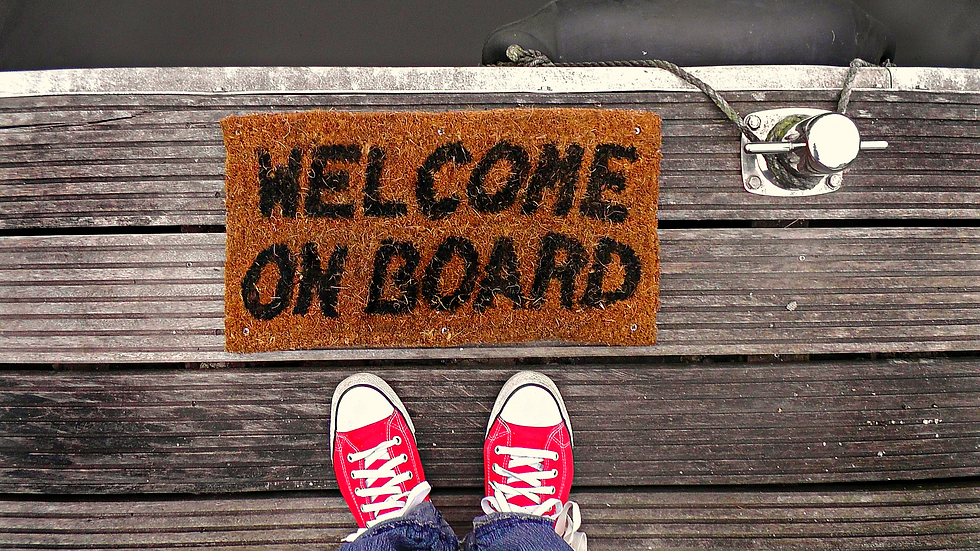
So this summer, I’m setting myself a challenge: can I truly switch off for two weeks?
Two weeks may not sound like much, I know. But this isn’t just about turning off emails or stepping away from screens. It’s about unplugging that inner reflex - the part of me that whispers, “That’s a great workshop idea.” or, “I could turn this into an article.” It’s the deeper disconnection from the constant pull of work, not just the tools we use.
For two weeks, it’s me, my family, and France. Pâtisseries. Architecture. Wandering. Wondering.
Let’s see if I can live fully in the moment, without pulling work back into the frame.
Why is it so difficult to disconnect?
Because our brains are wired for productivity. Every time we tick a box, help someone, or hatch a new idea, our brains reward us. When you love your work, and especially when your work is meaningful, this reward loop becomes hard to break. Switching off doesn’t just mean stopping tasks; it means letting go of the internal gratification that keeps us going.
Because overwork is quietly celebrated. We still glorify being busy. We admire the relentless, the tireless, the ones who “always go the extra mile.” Rarely do we applaud someone for setting clear boundaries or taking a break - and if we do, it often comes with a caveat: as long as the work gets done.
Because we treat rest like a transaction. We say: “I’ll push through now because I’ve got time off coming.” We stockpile exhaustion like holiday credit. We wouldn’t binge-sleep for a week and then stay awake for the rest of the year. We wouldn’t eat kilograms of food in one sitting and then stop eating entirely. Yet we do this with rest - work intensely for months and expect a two-week break to rebalance us.
It’s a flawed logic. Recovery isn’t a one-time event. It’s a rhythm — a rhythm I’m still learning to dance.
What I’m hoping to learn
This isn’t about turning off notifications; I can easily leave my phone at home when I’m on holiday. It’s about rewiring the relationship between identity and output. It’s about leaving my work ego behind.
What am I worth without my ideas, without my problem-solving skills, without the constant reinforcement that I add value? It’s about recognising that rest is not the opposite of ambition - it’s what sustains it.
And it’s about leadership. If I can learn to rest well, to model boundaries, to show that ideas can wait — perhaps I give others permission to do the same.
So, for this time away: no “just checking in”, no “quick idea I had” no scribbling new frameworks while eating my pain au chocolat.
Just presence. Letting the brain wander. Let’s see what I learn when I stop doing - and start being again.


Comments